
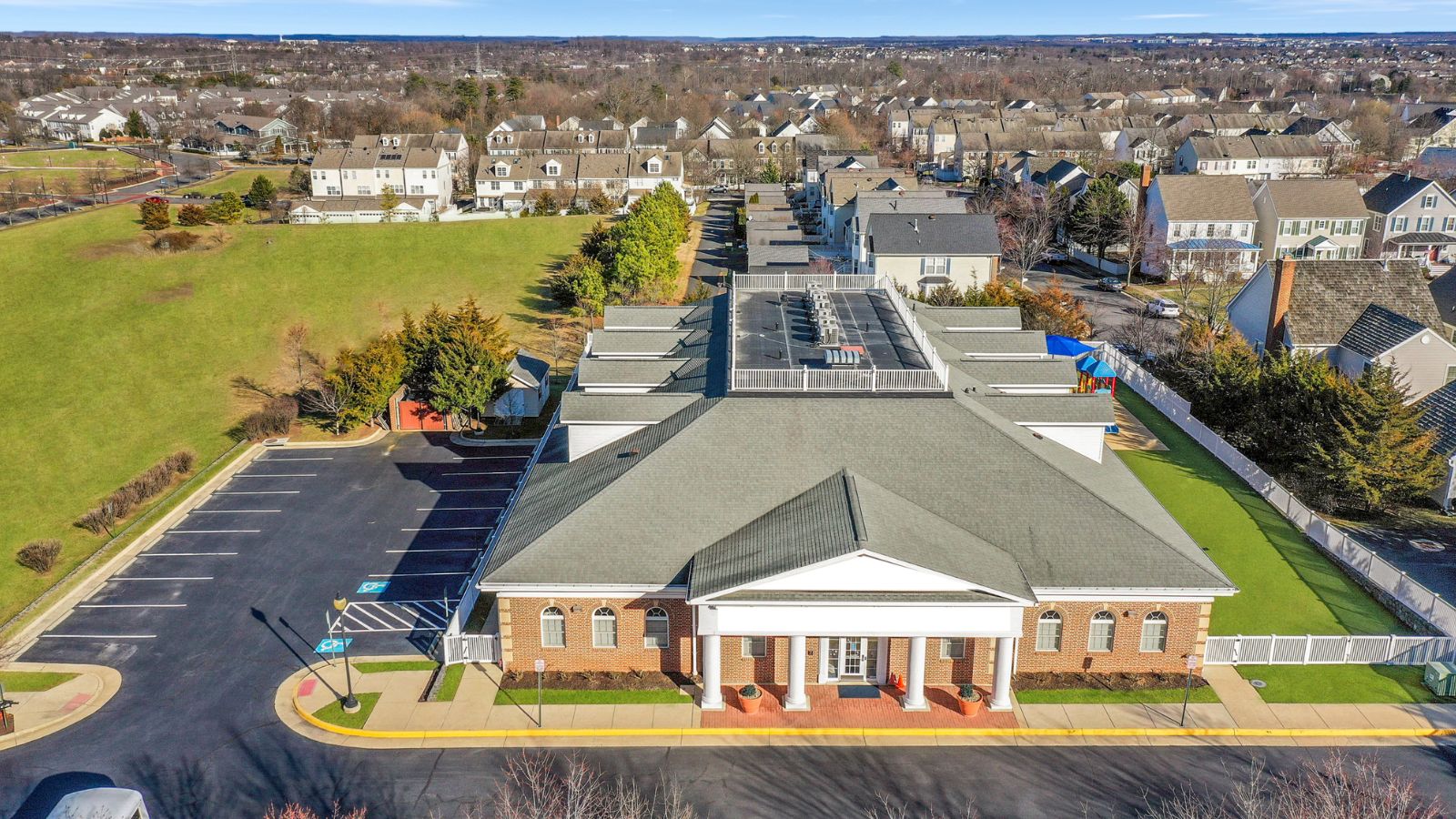
Childcare and early education real estate is its own asset class, and pricing it like an ordinary commercial building almost always leaves money on the table. A daycare center is not just square footage. It carries a licensed enrollment capacity, an operating history that affects how easily a new operator can be approved, a fitted-out interior that few other tenants can use, and a buyer pool that behaves nothing like the one chasing generic office or retail space. As Virginia’s number one childcare commercial real estate firm by transaction volume, with more than $745 million closed, Serafin Real Estate has handled these sales across Loudoun, Fairfax, and Prince William Counties, and this guide lays out exactly how a successful sale comes together in 2026.
If you own a childcare center and are weighing a sale, the difference between a generalist listing and a specialist process is often six figures or more. Here is what you need to know.
What Makes Childcare Real Estate a Unique Asset Class
Most commercial buildings are valued on location, condition, and comparable sales. Childcare centers are valued on all of that plus a set of factors that a generalist broker rarely understands.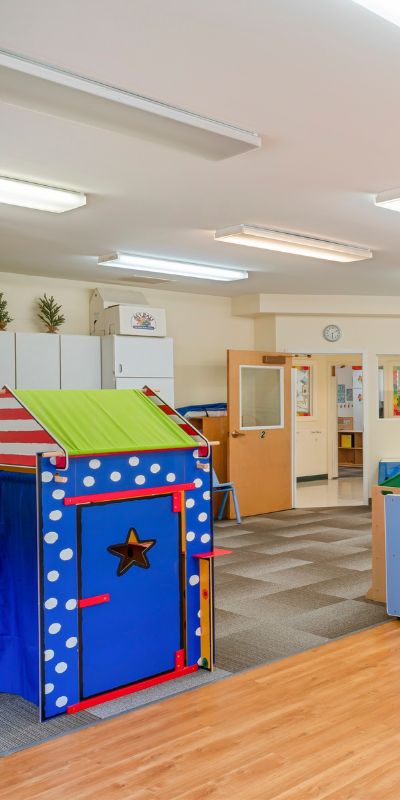
- Prior licensure drives value. Childcare is a by-right use in some zoning districts and requires a special-use permit or special exception in others, so the zoning treatment depends on where the property sits. The larger value driver is operating history: a previously licensed childcare center is far easier for a new operator to get approved through the Virginia Department of Education, because the site already operated as one. A buyer inherits a proven, re-licensable use rather than gambling on a clean approval from scratch, and that certainty is worth real money.
- The buildout is purpose-specific. Age-segregated classrooms, commercial kitchens, sprinklered restrooms sized for children, secured entries, and fenced playgrounds are expensive to build and have limited value to any non-childcare user. That specialization is an asset when you sell to an operator and a liability when you sell to a generalist.
- Site requirements are strict. Parking ratios, drop-off and pick-up circulation, outdoor play area square footage per child, and proximity to residential demand all factor into both licensing capacity and resale value.
- The buyer pool is narrow but motivated. Childcare assets attract owner-operators expanding their footprint, regional and national early-education chains, and net-lease investors seeking durable tenants. Reaching those buyers requires a network, not a sign in the window.
This is why a childcare center marketed by a broker who closes one daycare a decade tends to sit, while the same asset marketed to the right buyer pool can trade quickly and at a premium.
How Childcare Centers Are Valued

There are two fundamentally different ways a childcare property is valued, and the right approach depends on who the likely buyer is.
Owner-User Valuation
When the buyer intends to operate the center themselves, the property is valued more like real estate plus a turnkey business platform. The drivers are:
- Replacement cost of the specialized buildout
- Licensed capacity and the difficulty of replicating the entitlements
- Location relative to rooftops, household incomes, and demand for childcare
- Condition of the building and any deferred maintenance
An owner-operator will pay up for a center that lets them open and enroll immediately rather than spending two years and significant capital on permitting and construction.
Investment (Cap Rate) Valuation
When the buyer is an investor, the property is valued on the income it produces, typically as a net-lease asset. The formula is straightforward: net operating income divided by the market capitalization rate equals value. What investors actually underwrite is:
- Lease structure. A long-term absolute NNN lease with built-in escalations is the gold standard. The longer the remaining term and the stronger the escalations, the lower the cap rate and the higher the value.
- Tenant credit. A national or regional operator with strong financials commands a lower cap rate than an unproven single-location operator. Personal guaranties and corporate strength both matter.
- Rent versus market. Investors check whether the in-place rent is sustainable. Rent set too high relative to what a replacement operator could pay introduces risk and pushes the cap rate up.
The single most important lever a seller controls is the lease. A center sold with a freshly executed long-term NNN lease to a credible operator can be worth substantially more than the same building sold vacant or with a short remaining term. If a sale is on your horizon, the lease strategy should be designed years in advance.
Preparing Your Center for Sale
Buyers and their lenders move faster and pay more when the diligence package is clean. Before going to market, assemble:
- Licensing documentation. Current Virginia childcare license, licensed capacity, and any open or recently closed compliance items.
- Zoning and entitlement records. Confirmation of how the use is permitted in the property’s zoning district, any special-use permit or special exception that applies, site plan approvals, and any conditions of approval that run with the property.
- Operating history. Records showing the site’s prior licensed operation, which is what makes re-approval through the Department of Education materially easier for the next operator.
- Financials. Two to three years of operating statements if you are selling the business with the real estate, or a clean rent roll and lease abstract if you are selling as an investment.
- Lease and CAM details. For investment sales, a clear lease abstract showing term, escalations, options, responsibilities, and any landlord obligations.
- Building condition. Address obvious deferred maintenance. Roof, HVAC, and parking lot condition are the items most likely to surface in inspection and trigger a price retrade.
Cleaning up documentation and confirming the property’s zoning and licensing status before listing is the highest-return work you can do. It removes the uncertainty that buyers price as risk, and it protects your number through closing.
How to Market a Childcare Property
Marketing a childcare asset well is about reaching the right buyers, not the most buyers.
- Confidential versus open marketing. If your center is operating and your staff and families are not aware of a sale, a confidential or quietly targeted process protects the business while you find a buyer. If the property is an investment or vacant, a full open-market launch maximizes competition.
- Reach national and regional operators directly. The strongest owner-user buyers are expanding chains. They are not browsing public listing sites. Reaching them takes direct relationships and a current understanding of who is growing in the region.
- Target net-lease and 1031 investors. For investment sales, childcare NNN assets are sought after by investors completing 1031 exchanges who need durable, recession-resistant income. Positioning the asset properly inside that investor narrative is what compresses the cap rate.
- Tell the right story. Generic listing copy undersells these properties. The marketing should lead with entitlements, capacity, demographics, and lease strength, because those are the value drivers a serious childcare buyer underwrites. Check out our active childcare listings.
The Sale Process and Timeline
A typical childcare sale moves through a predictable sequence. Understanding it helps you set expectations and avoid the mistakes that kill deals.
- Valuation and strategy. Determine whether the likely buyer is an operator or an investor, and price and position accordingly.
- Go to market. Launch the right marketing process, confidential or open, to the right audience.
- Letter of intent. A buyer submits an LOI outlining price, deposit, due diligence period, and closing timeline. Strong negotiation here sets the tone for everything that follows.
- Purchase and sale agreement. The binding contract is negotiated, including deposit structure, contingencies, and which items convey.
- Due diligence. The buyer inspects the property, reviews entitlements and licensing, and confirms financing. This is where deals most often wobble.
- Closing. Final settlement and transfer.
A realistic timeline from launch to closing runs roughly 90 to 180 days, depending on financing, zoning complexity, and the time needed for the new operator to secure licensing.
The most common deal-killers are predictable: deferred maintenance discovered late, entitlement conditions that surprise the buyer, lease terms that do not survive lender scrutiny, and a buyer attempting to retrade the price during diligence. Every one of these is preventable with proper preparation and an experienced broker holding the deal together.
Why Work With a Specialist Broker
You can list a childcare center with any commercial broker. Whether you net top dollar is a different question.
A specialist brings three things a generalist cannot:
- The buyer network. Knowing which operators are expanding and which investors are actively buying childcare NNN assets is the difference between competition and a single lowball offer.
- Valuation precision. Pricing the asset correctly for the actual buyer pool, rather than defaulting to generic comps, protects your value and shortens time on market.
- Deal control. Anticipating where childcare deals break, and structuring the LOI, lease, and PSA to prevent it, is what gets a transaction from offer to closing at the original number.
Serafin Real Estate is Virginia’s leading childcare and early education brokerage by volume, named Best of Loudoun for Commercial Real Estate four consecutive years, with deep experience selling and leasing childcare centers, faith-based properties, and owner-user assets across Northern Virginia.
Frequently Asked Questions
What is the average cap rate for a childcare center? Cap rates vary with lease term, tenant credit, and location, but well-structured childcare NNN assets with strong operators and long-term leases tend to trade at competitive rates relative to other single-tenant net-lease properties. The stronger the lease and operator, the lower the cap rate and the higher the value. A current, property-specific valuation is the only reliable number.
How long does it take to sell a daycare center? Most childcare sales close within 90 to 180 days from launch, depending on financing, zoning complexity, and the time the new operator needs to secure licensing through the Department of Education.
Should I sell my childcare center with the business or just the real estate? It depends on your goals. Selling the operating business with the real estate appeals to owner-operators, while selling the real estate with a long-term lease in place appeals to investors and often maximizes value. The right path is determined by your situation and the strongest available buyer pool.
Does a childcare center need a special-use permit? It depends on the zoning district. Childcare is a by-right use in some districts and requires a special-use permit or special exception in others. Either way, a property that previously operated as a licensed childcare center is significantly more valuable, because a new operator can be approved through the Department of Education far more easily than at a site with no operating history.
Can I sell my childcare center confidentially? Yes. If your center is operating and you want to protect staff and families during the process, a confidential or quietly targeted marketing approach can reach qualified buyers without a public announcement.
Considering a Sale?
If you own a childcare or early education center in Loudoun, Fairfax, or Prince William County and are considering a sale, or simply want to understand what your property is worth in today’s market, Serafin Real Estate offers a no-obligation valuation and a confidential conversation about your options. Contact us to get started.